
Inspiring Women In History: Amaza Lee Meredith
One of the nation’s first known Black queer architects; today we’re covering Amaza Lee Meredith.
It’s hard to believe there was a point in time where someone couldn’t work in their dream profession because of their sex, race, or sexuality. Even today we’re still facing abhorrent prejudices but everyday we strive for a safer, more inclusive, and loving society.
Today, we’re celebrating Amaza’s tenacity and perseverance through the absurd hurdles she faced, this is her story:
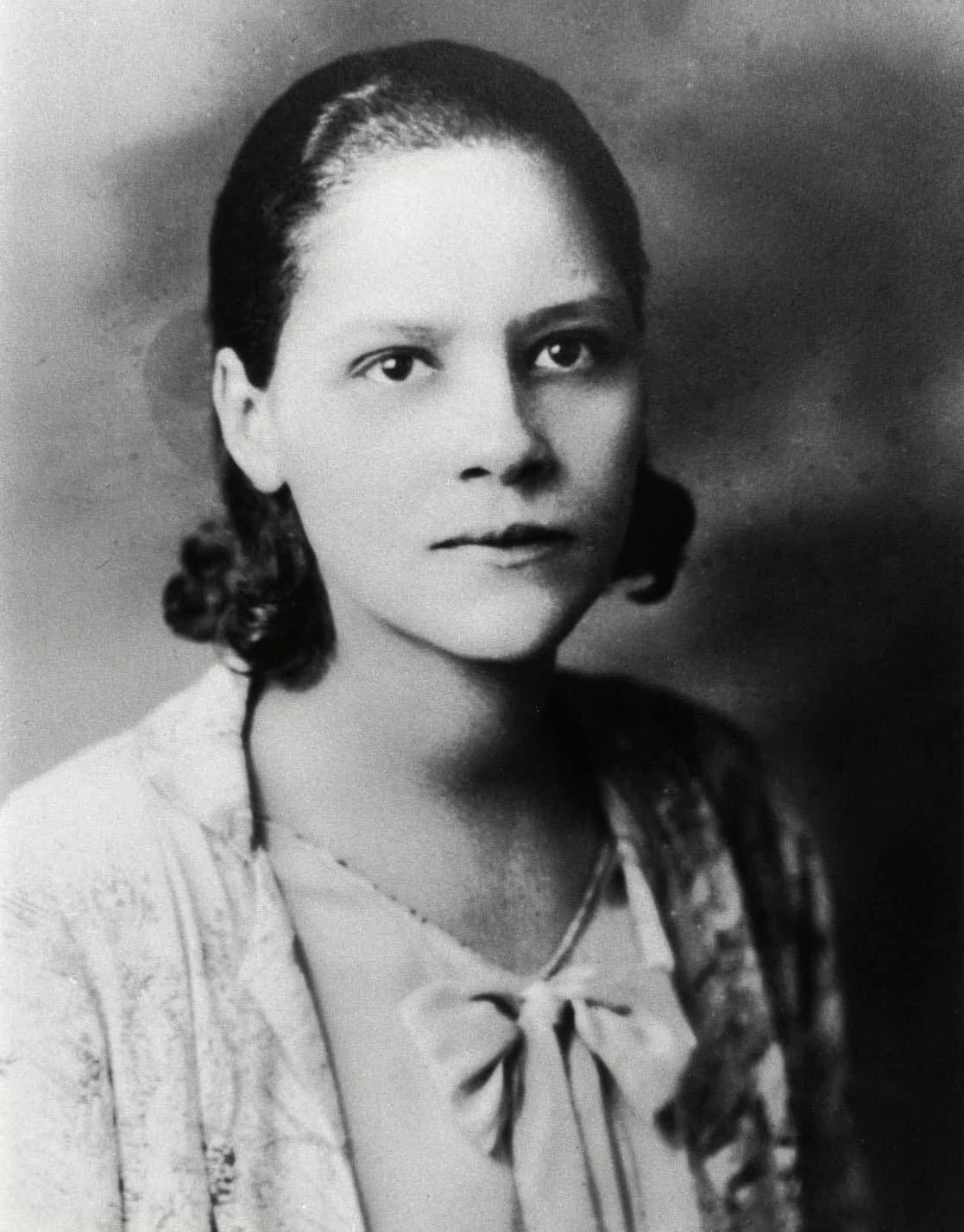
A young Amaza Lee Meredith circa 1922
Early Life
Amaza Lee Meredith was born in Lynchburg, Virginia to Samuel Peter Meredith and Emma Pink Kenney in 1894 and lived to be 89 years old, passing in 1984. Her father, a White carpenter and her mother, a Black seamstress, didn’t have an easy beginning.
If you know anything about American history, you’ll know that this was illegal at the time. Her parents were not allowed to get married in Virginia due to anti-miscegenation laws. Amaza’s birth certificate states she was only the daughter of Emma. Her father was not included on the certificate due to the disgusting laws at the time. Despite the laws, her father cared deeply about his family, building them a house and supporting them financially.
Amaza attended Jackson Street School in Lynchburg, formed by the Freedmen’s Bureau. Jackson Street was known for its blend of manual arts instruction as well as the classical humanities curriculum. Attending this school was vital in Amaza’s journey. In 1912, she graduated and was at the top of her class.
Despite her father being a carpenter, when Amaza told her father about her interest in becoming an architect, he discouraged her. This could be due to the time period (in 1910, there were less than 100 registered Black architects,) Amaza was a Black woman wanting to be an architect in 1912. A dream like that sounded impossible to achieve! Amaza ended up settling to be a teacher due to her father’s pushback.
Sadly, after her parents traveled to Washington, D.C to get married and moved in together, Samuel started to lose business as a carpenter due to racial-prejudice. He began to find himself buried in debt and committed suicide in 1915, when Amaza was 21.
Following her father’s guidance, she went to Virginia Normal and Industrial Institute (later becoming just Virginia University) to become a teacher. During this time, she met Dr. Edna Meade Colson (who ended up being her lifetime partner).
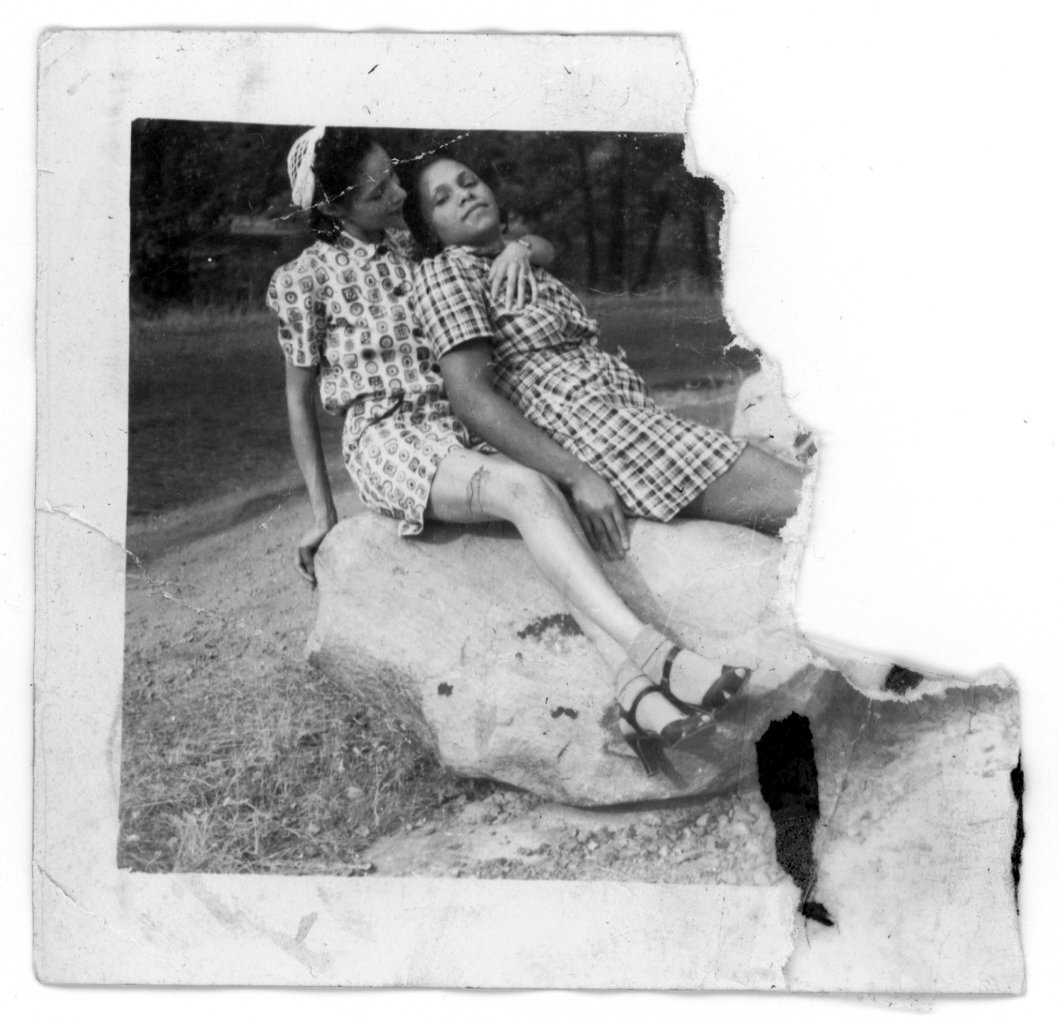
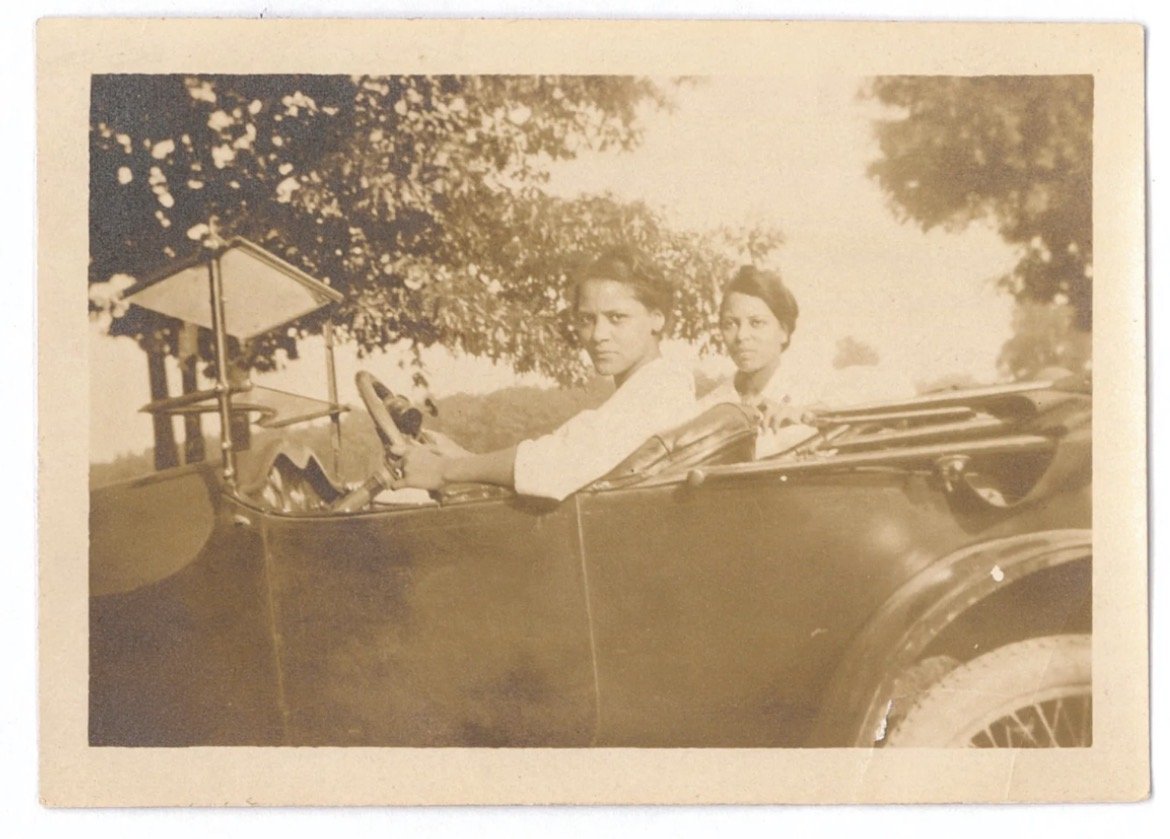
In 1916, Amaza received her elementary teaching certificate. She taught in a rural one room schoolhouse. Eager to grow, after becoming an elementary school teacher, she went back to Virginia Normal and Industrial Institute to pursue her teaching degree. Amaza excelled in her studies! She received help from Dr. Colson, suggesting the best books for Amaza to study with.
In the year 1926, Amaza packed up and moved to New York City and lived with her sister in North Harlem. Amaza moved to study fine arts and art at Columbia University, at this time, Virginia would not allow Black people to attend college. She was considered to be a part of ‘The Great Migration'.’ Her time in New York City really helped to shape her knowledge of modern design, taking classes about interior design and home decoration.
During her time in New York City, Meredith learned about the 'New Negro Movement.’
This movement existed to encourage Black people to challenge racial stereotypes. Something that was a rampant problem during this time. Amaza was known as a member of the “talented tenth,” a group of Black Americans that aimed to bring different groups together, despite someone’s race. Amaza’s final educational venture was returning to Columbia University in 1934 to get her master’s degree.
This lady loved to learn! Amaza understood that knowledge is power.
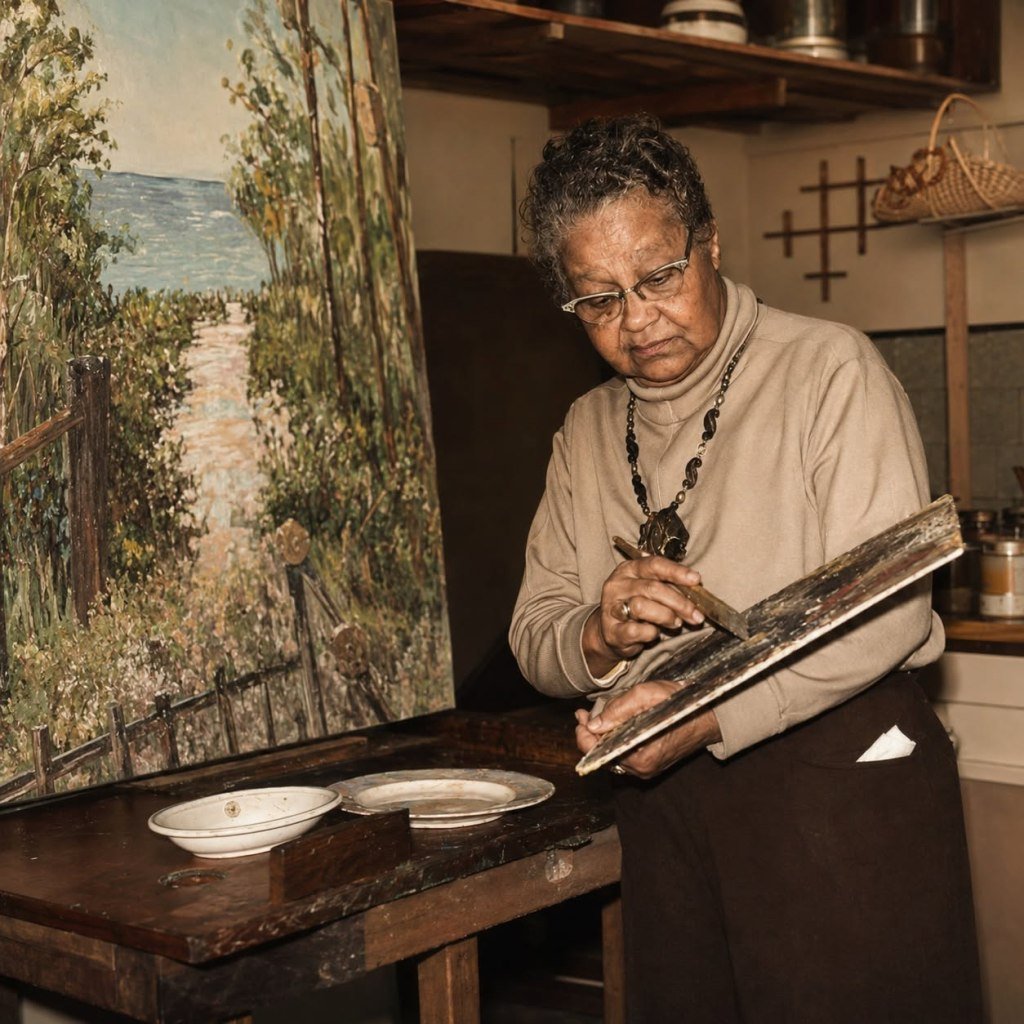
Amaza Lee Meredith painting in her studio aka the “Wreck Room” at Azurest South
Projects
Despite the tough conditions there were for a queer Black woman aspiring to be an architect, Amaza continued to pursue her dream. She didn’t let the fact that she was one of the only known Black queer woman architects stop her from what she wanted. Amaza was able to design spaces for friends and family in:
Virginia
Texas
Sag Harbor, New York
Amaza played a vital role in creating vacation homes for middle-class Black families, this was known as Azurest North!
Located in Sag Harbor, New York, two specific homes she designed were Terry Cottage, a summer home Amaza built for Maude Terry, her sister and Edenot, that was designed for her friends. Amaza had other creative architectural projects as well, this includes Azurest South in Petersburg, Virginia and Anndot, located in Prairie View, Texas.
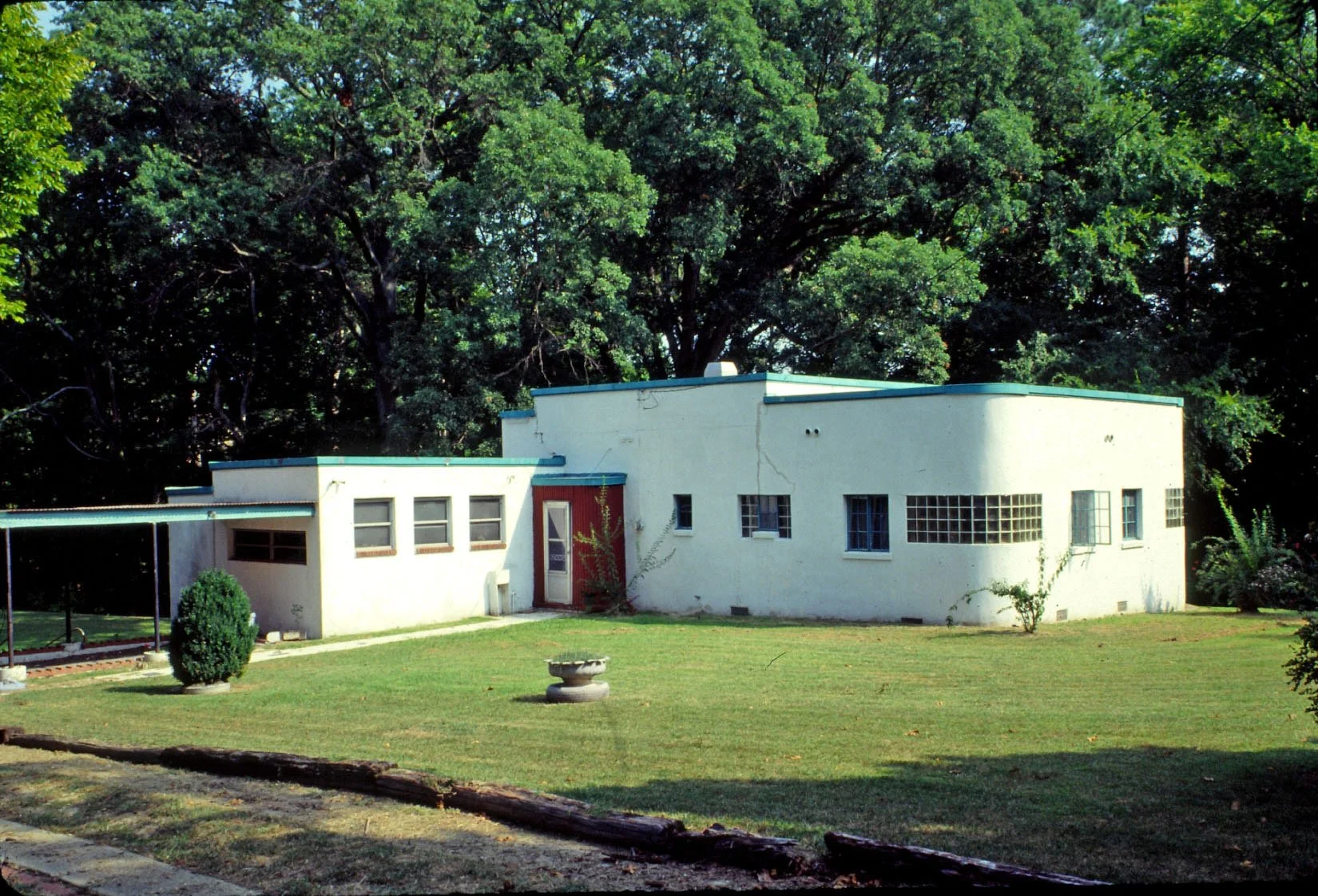
Azurest South, located on the campus of Virginia, State University in Petersburg, Virginia
Azurest South wasn’t just a residence, it was a safe haven for two women to be together when they were told they couldn’t be together.
Amaza and her lover, Edna Meade Colson, lived here. The house was made up of concrete blocks, glass bricks, a flat roof, and rounded corners. This look made it feel modern compared to other buildings at this time. Amaza used the design knowledge she learned in school to bring her vision to life.
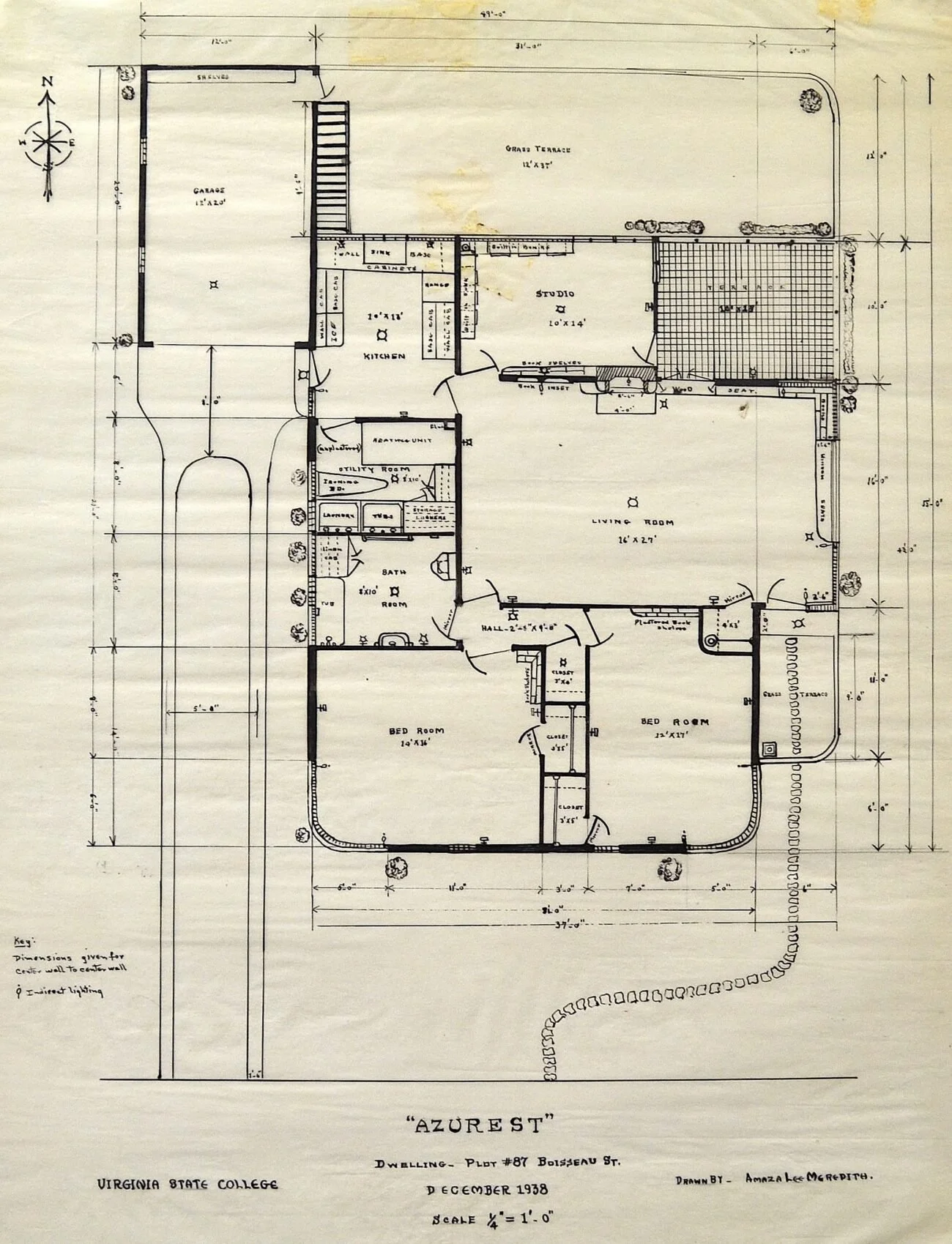
Pictured are construction plans for Azurest South.
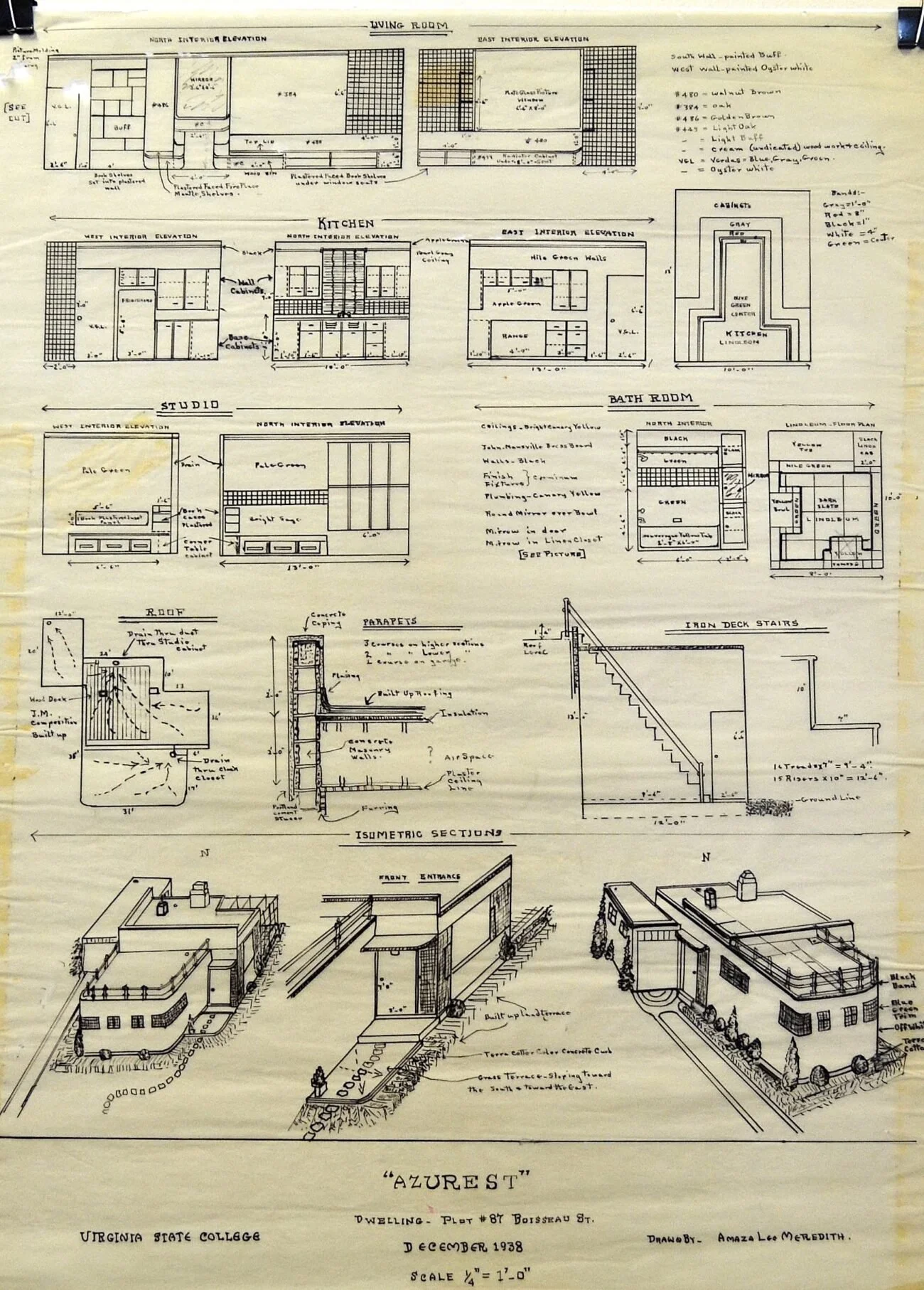
Pictured are construction plans for Azurest South.
Amaza took inspiration from E. Dean Parmelee’s work at the time, take a look at this fireplace she designed inspired by his work..
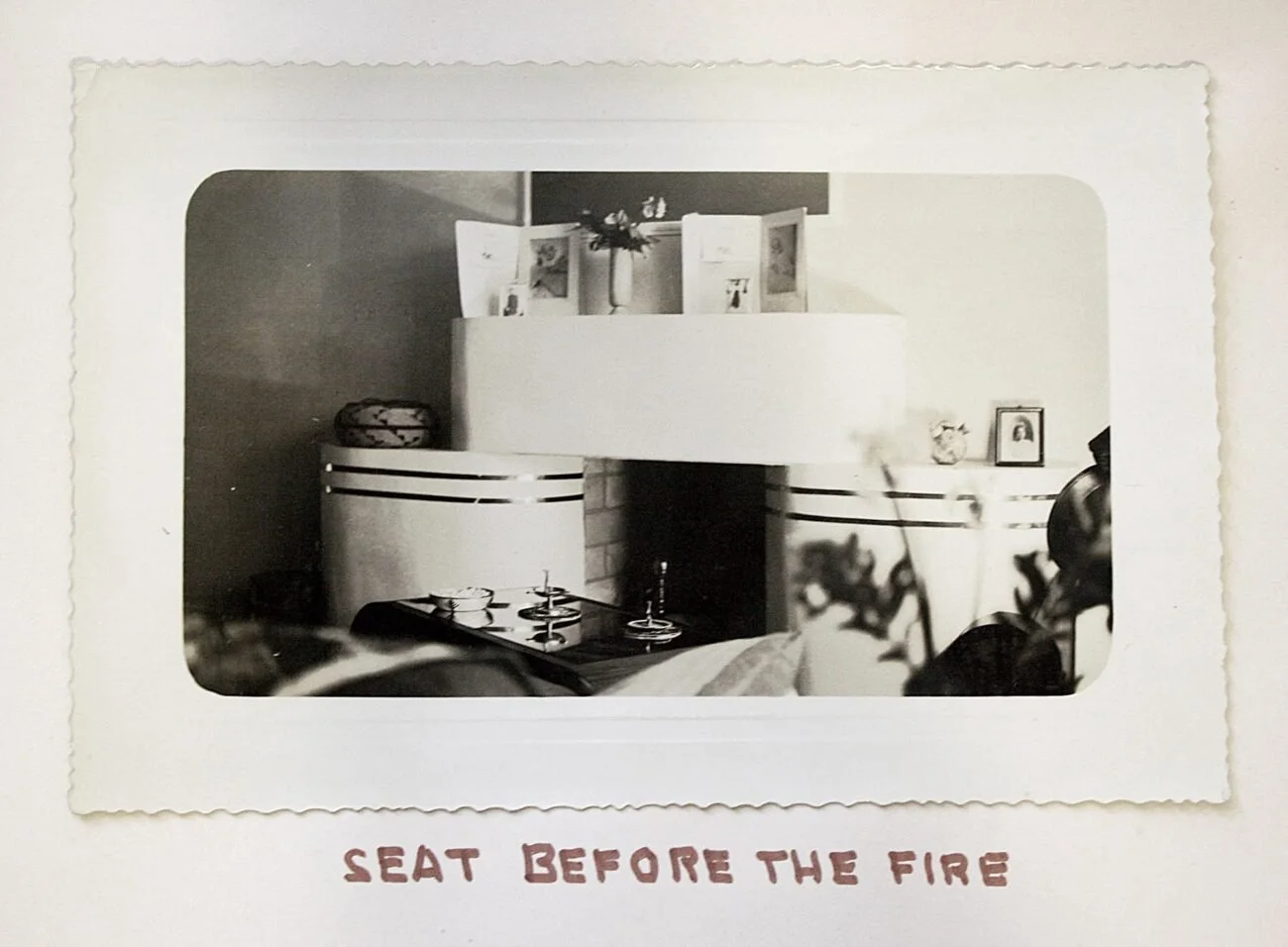
Amaza Lee Meredith’s design.
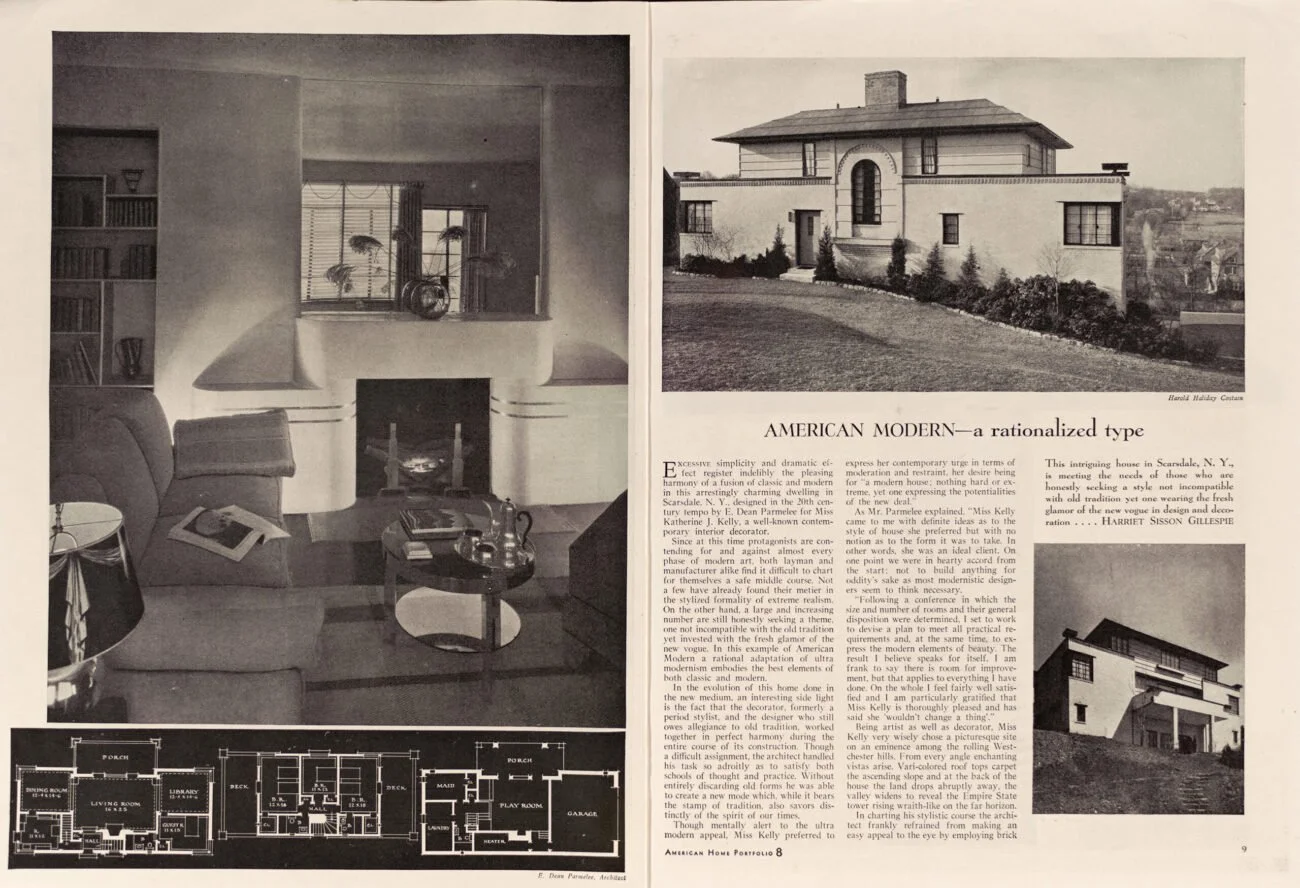
Her inspiration and muse.
After completing Azurest South, Amaza felt a sense of optimism. This combined with her relationship with Colson allowed Amaza to feel the confidence she needed to keep going. Amaza returned to Virginia Normal and Industrial Institute and created a department dedicated to art, art appreciation, and an art studio! Amaza encouraged her students to explore the possibilities in art and art related fields. Branching out, Amaza began to teach art outside of the University as well.
Together, Amaza and Colson lived together at Azurest until they passed. After Amaza had passed, Azurest South went to the Virginia State College Alumni Association, just like she intended.
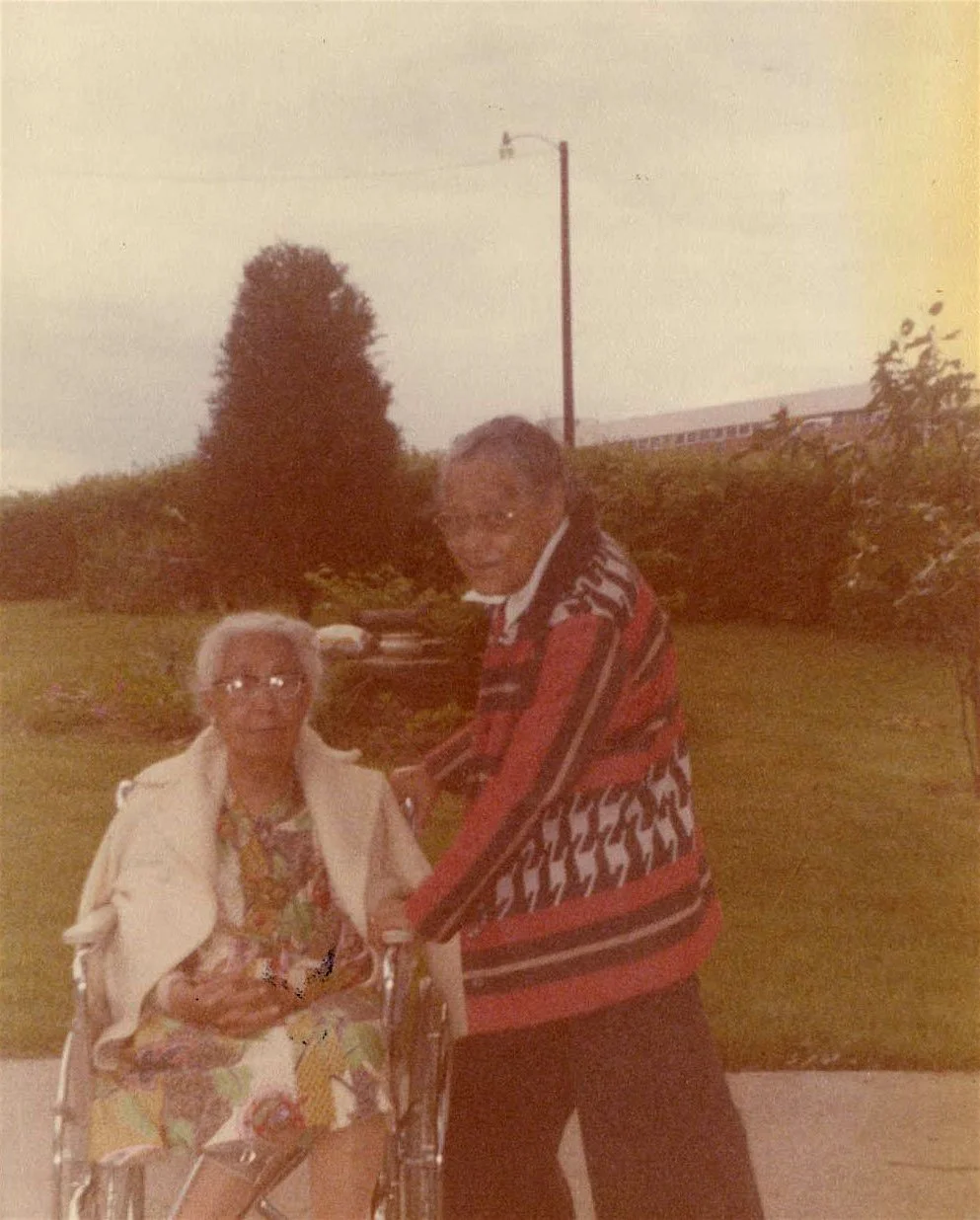
Amaza Lee Meredith and partner Edna Meade Colson later in life.
Today in America, almost anyone can become an architect. However, that wasn’t the case during this time period. Despite her societal challenges due to her race, gender, and sexuality, Amaza worked hard to achieve her dreams and is now an icon for young dreamers everywhere.
It’s important to remember that the privileges we have today, weren’t always like that. Shoutout Amaza Lee Meredith for paving the way for future queer, Black women that aspire to be an architect!
We have more of this series to come with icons from all over history, be sure to follow along while we continue to cover incredible women from history!
Cheers!
xx - Eva + Emmy
P.S. Check out our Instagram to keep up with new projects!